Embers, not flames, ignite most homes
Studies of homes lost in California wildfires keep finding the same thing: most homes ignite from embers carried ahead of the fire, not from direct flame. Embers blow into attic vents, slip under open tile eaves, land in gutters full of dry leaves and lodge where the roof meets a wall.
Santa Ana winds can carry embers a mile or more ahead of the fire front, which is why homes well inside a neighborhood can be at risk when a brush fire burns nearby.
What Class A really means
Class A is the highest fire rating for roof coverings. It describes how a roof assembly performs against severe fire exposure, including burning brands landing on it. The rating applies to the assembly, not just the top material. Some products are Class A only over a specific underlayment or cap sheet.
Clay tile, concrete tile, most metal roofs and many asphalt shingles reach Class A when installed correctly. Untreated wood shake does not, which is why insurers and code officials push to replace it.
The gaps that matter most
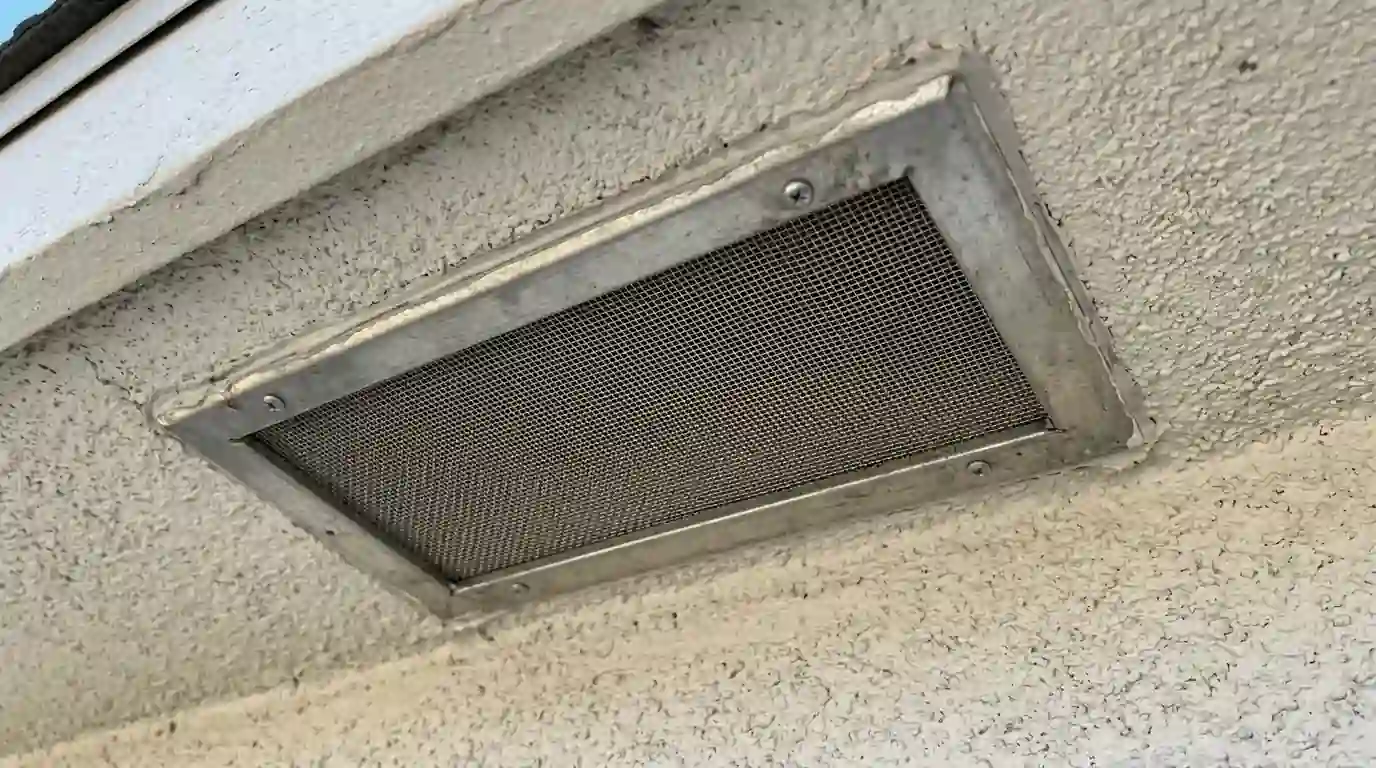
Vents: In California fire hazard severity zones, attic and eave vents must use mesh between 1/16 and 1/8 inch, or be listed ember-resistant vents. Older homes often have quarter-inch screens that let embers through.
Tile eaves: The open curve under the first course of S-tile or barrel tile leaves a gap that birds nest in and embers enter. Bird stops close it.
Gutters and valleys: Dry leaves, needles and palm debris in gutters and valleys are easy fuel. Metal gutter guards and regular cleaning remove it.
Where this applies in and around Riverside
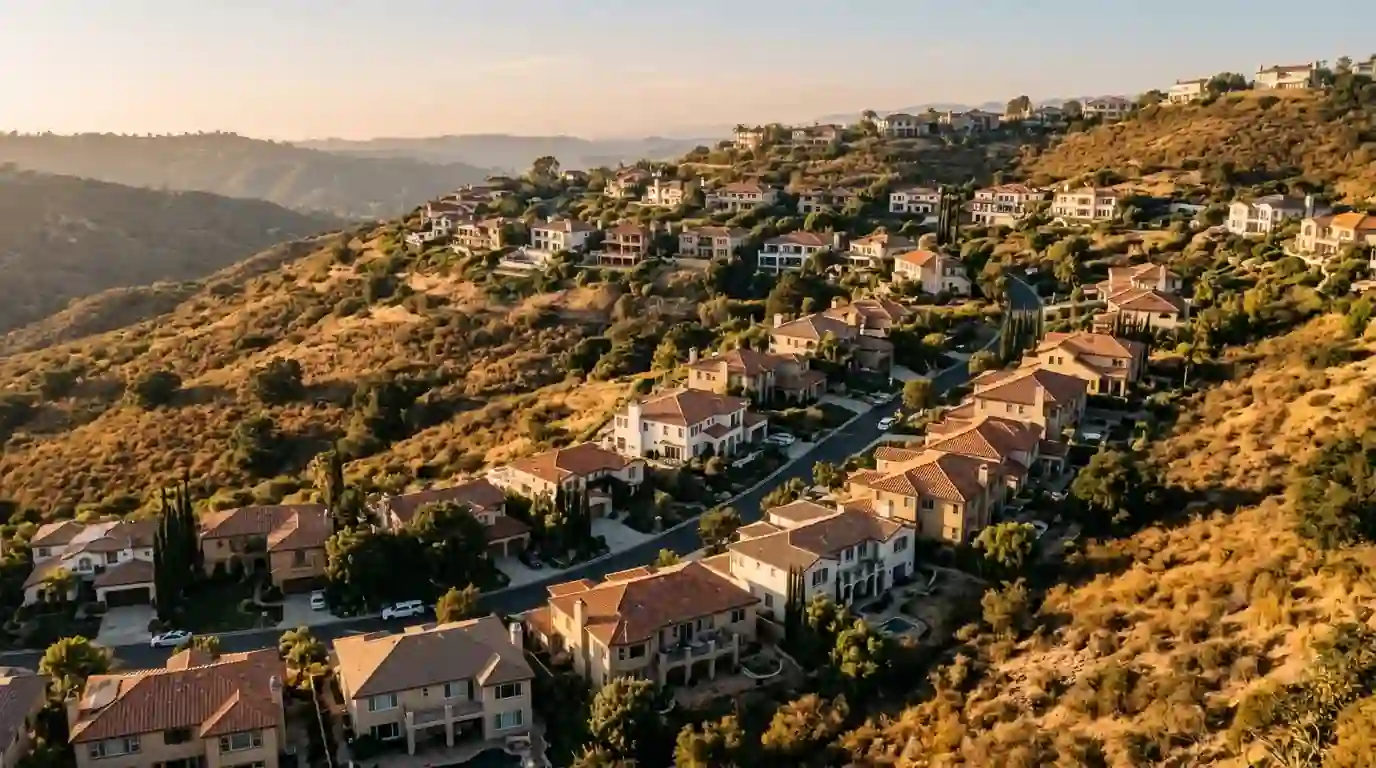
Parts of Riverside near Sycamore Canyon, Box Springs Mountain, Alessandro Heights and the La Sierra hills are mapped as fire hazard severity zones, as are many hillside areas of Corona, Norco, Lake Elsinore, Canyon Lake and the San Bernardino County foothills. CAL FIRE publishes the maps, and you can look up your address.
Even outside a mapped zone, homes that back up to open space benefit from the same details.
A practical order of work
If your roof is sound, start with vents, bird stops and gutter guards. Those are one or two day projects. If your roof is due for replacement or underlayment work, build the Class A assembly and the ember details into that project so it is all done at once.