Why the state cares about your roof color
California's energy code treats a roof as part of the building's energy system. A roof that reflects more sunlight and gives off the heat it absorbs keeps the attic and the house cooler, which lowers peak electricity demand on hot afternoons.
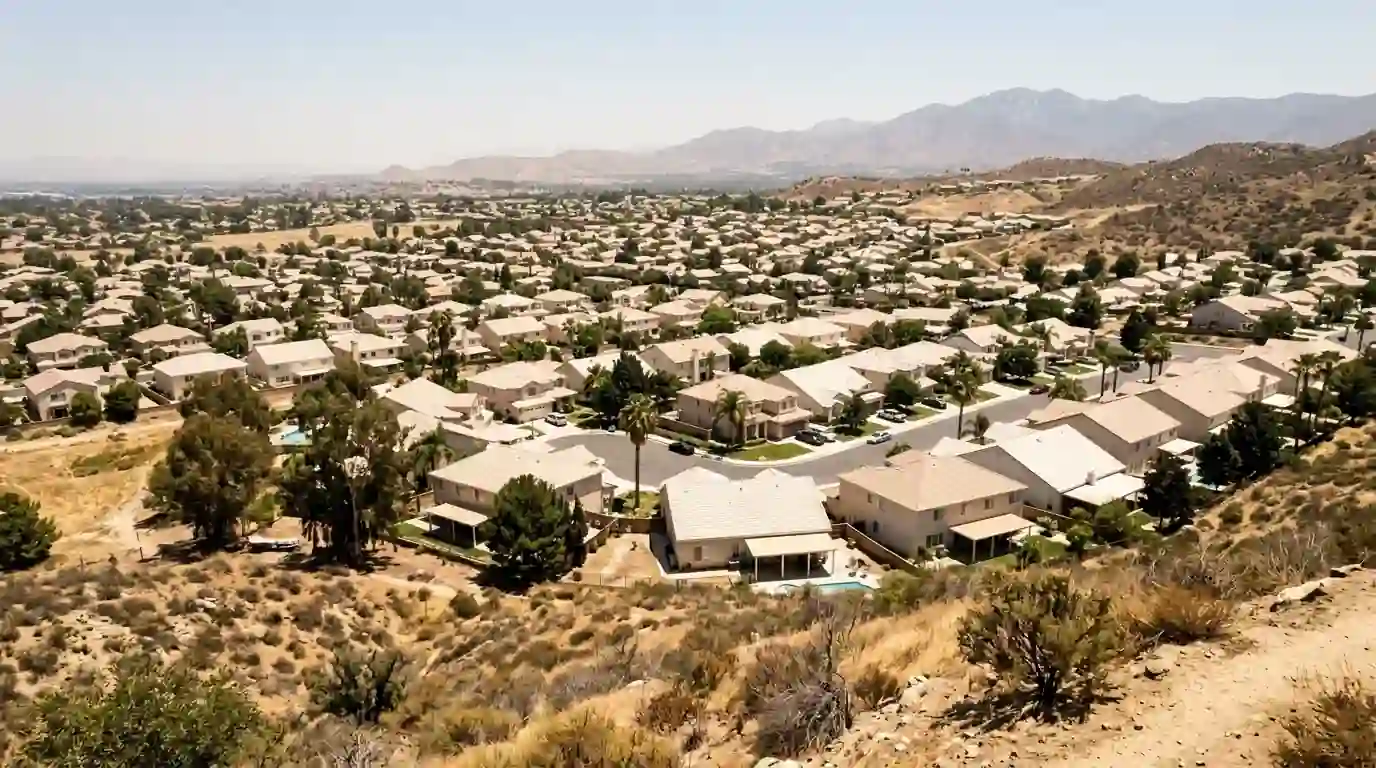
For re-roofing, the code sets reflectance and emittance targets that depend on climate zone and roof slope. Riverside sits in climate zone 10, one of the hot inland zones.
When the rules apply
In general, the cool roof requirements apply when you replace more than half of the roof surface, or when you build new. Small repairs do not trigger them. For steep-slope roofs, the type most Riverside homes have, a cool-rated product is generally required in climate zone 10. Low-slope roofs have their own, higher targets.
There are exceptions and tradeoffs written into the code, for example for roofs with added insulation or certain tile with an air space under it. We confirm the exact requirement with each permit.
Cool does not mean white
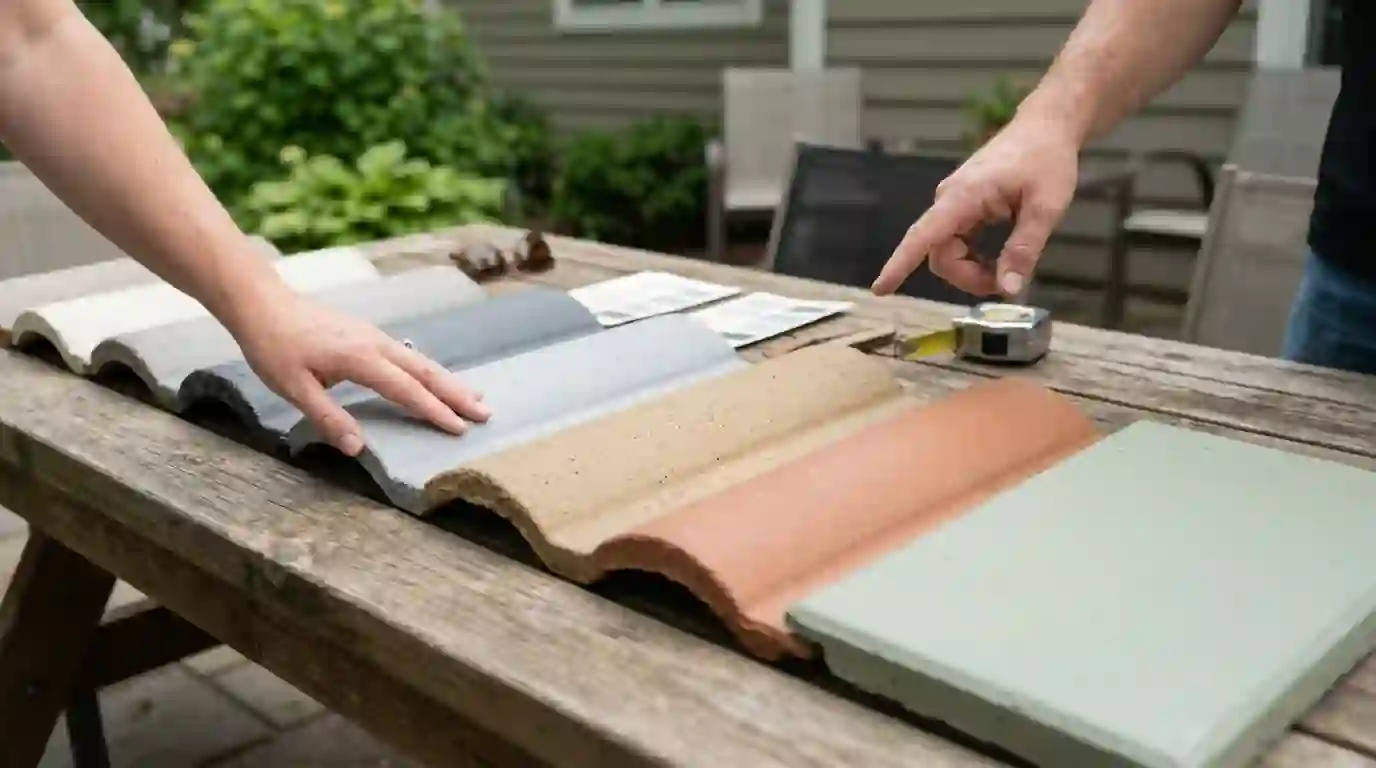
This is the biggest misconception. Cool-rated concrete tiles, shingles and metal come in tans, grays, browns, terracotta blends and even darker shades that use special reflective pigments. The Cool Roof Rating Council lists the tested values for each product.
On flat roofs, white membranes and coatings are the common choice, but nobody sees them from the street.
What a cool roof does for a Riverside home
On a July afternoon, a dark roof surface can run past 160 degrees. A cool-rated roof can run 30 to 50 degrees cooler at the surface, and the attic follows. If your ducts run through the attic, as they do in most Inland Empire homes, that can noticeably lower cooling costs.
Pair a cool roof with balanced attic ventilation and, where it makes sense, a radiant barrier, and the upstairs rooms stay more comfortable into the evening.